
The Silent Surge of Situationships undermining Black Gen Z love

Image Credit: Andres Ayrton (Pexels)
Gen Z is known for being tech-savvy, outspoken, socially aware and quick to redefine old expectations, especially around relationships.
However, as quick as they are to redefine relationship standards, some are finding it difficult to date, start and maintain relationships, often feeling like they are stuck in limbo.
When they begin a new “relationship,” one moment, there is a strong connection; the next, there is confusion. We would call this a situationship, where it’s not quite a friendship, but it is not defined enough to be a relationship, since that label has yet to be established.
Phatima Kabia (PhatimaTalks on TikTok) described situationships like an addictive situation where both individuals keep coming back for more.
“The feeling of being in love is often comparable to that of an addiction. A situationship can replicate the themes of an established relationship, minus the security of a title. You get caught in a cycle of emotional highs and lows,” Kabia said.
Unlike older generations who relied on clearly defined milestones, today’s younger people navigate intimacy in a world shaped by social media, cultural expectations and a desire for emotional safety without exposure.
Technology has made constant connection possible and constant comparison inevitable.
“Young Gen Z’ers that have only known technological devices are often lacking in the social skills required to build authentic connections,” author and dating and relationship coach Angela Nicole Holton said. “Situationships may mimic a genuine relationship to inexperienced youth.”
Social media amplifies both the allure and the ambiguity. Curated portrayals of love offer aspiration but rarely show the messy middle.
Top dating & relationship coach Muffie Bradshaw said this creates a gray space where emotional safety exists alongside uncertainty.
“They can feel a balance between wanting love and protecting their mental health. Even when they aren’t entirely healthy, situationships meet emotional needs like validation and belonging,” she said.
For many, the pattern becomes emotionally draining. Relationship transformer Tierra Banks, founder of Mended Inc., a Cleveland-based organization dedicated to repairing mother-adult-daughter bonds, described it as “emotional DoorDash”, quick, convenient and disposable.
Caught in the gray area, young Black adults struggle with self-trust, boundaries and vulnerability.
“Strong relationships have always been our currency. Losing that has left us emotionally bankrupt in a way that is new and deeply unsettling,” Banks said.
Why Situationships Happen

Image Credit: Andres Ayrton (Pexels)
Banks postulated why she believes situationships are on the rise.
“Everybody wants to be comfortable and accommodated without the accountability that comes with true commitment. We have replaced “doing the work” with “doing what works for me right now.” Banks said.
Bradshaw also pointed out that situationships often meet needs that people do not always recognize right away.
“For many young adults, they offer comfort, consistency and a sense of closeness without the pressure of a label,” Bradshaw said.
Those needs often overlap with long-standing pressures that guide how young people navigate dating.
Holton said, “Cultural expectations deeply shape how Black youth approach dating, love and commitment. Many grow up navigating dual pressures, cultural norms within the Black community and broader societal narratives about relationships and identity.”
At times in romantic situations, Black men can be pressured by societal standards to be strong and not be perceived as vulnerable.
“Black men may feel pressure to appear emotionally strong or independent, while Black women may be expected to be self-reliant or nurturing to a fault, which can create guardedness or power struggles in relationships,” Holton said.
Adding to this perception, Kabia emphasized that the strong emotional pull can keep people stuck.
“As cliché as the phrase ‘The heart wants what it wants’ may sound, it holds a lot of validity. You can have the firmest boundaries intact and still find yourself disarmed in the face of a strong connection,” Kabia said.
Technology and dating apps intensify the problem, adding more noise to a generation already unsure of what to expect from modern dating. The result is constant contact without the depth needed to build stability.
“Instant dopamine hits and the need for instant gratification have greatly influenced our definition of commitment,” Kabia said. “Dating apps like Bumble or Tinder are set up so that you can swipe through individuals like you are playing a game. The illusion of options will never satisfy the cravings of a real connection.”
The Emotional Toll
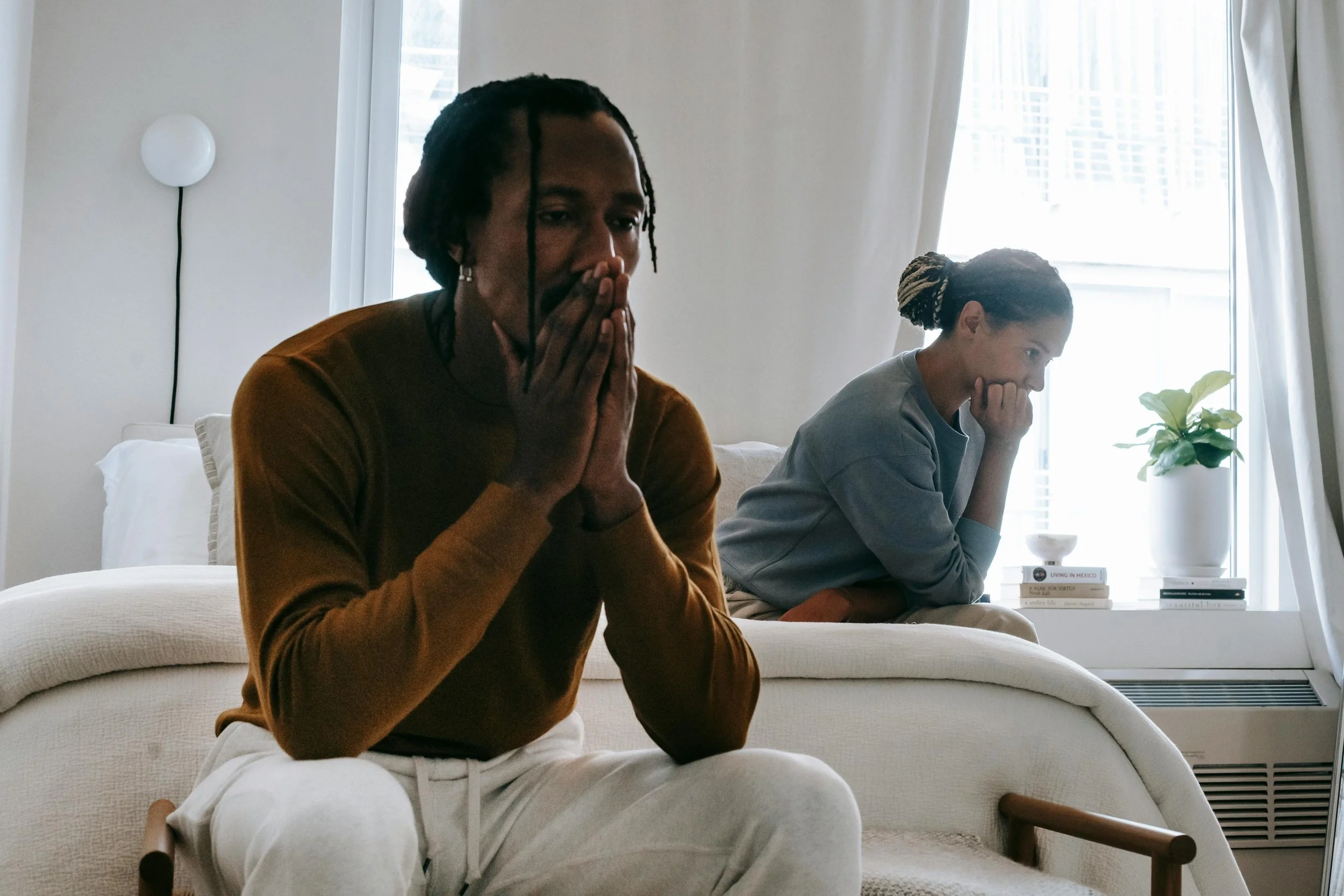
Image Credit: Alex Green (Pexels)
Emotional effects of situationships are common. Holton described feelings of confusion, frustration and lowered self-worth. Bradshaw added that situationships can be transformative, even if painful.
“A situationship might shake your confidence for a moment, but it can also sharpen your awareness of what real connection requires: honesty, consistency and mutual emotional safety,” she said.
Banks explained that many young Black adults are left longing for real intimacy as a result of situationships lacking true intention and providing intimacy and love.
“Many brag about their boundaries and ‘freedom,’ but underneath that performance is a quiet longing for real intimacy. They speak empowerment, but their hearts whisper ‘connection,’” she said.
Recognizing the Gray Area

Image Credit: Alexander Mass (Pexels)
Bradshaw suggested that there are transparent signs that a situationship is doing more harm than good.
“You can usually tell a situationship is starting to hurt when confusion replaces connection. When you spend more time wondering what you are than actually enjoying the relationship, it is no longer serving your peace,” Bradshaw said. “People often describe feeling anxious, unsettled or emotionally drained. Those are all signs that the situation is hurting more than helping.”
Banks recommended self-reflection as a way to recognize patterns in unhealthy relationships to reclaim a sense of clarity.
“Get quiet. Go inward. Ask: Is this expanding or eroding me? Pay attention to your body; tension does not lie. If joy feels episodic and anxiety feels constant, that is your sign. When the connection only exists during selective moments, that is not love, that is a subscription with no renewal plan,” she said.
Moving Forward

Image Credit: Mart Production (Pexels)
Kabia emphasized the importance of self-awareness, explaining that clarity about one’s needs and limits can prevent getting caught in situations that drain instead of sustain.
“From my experiences, I learned the importance of establishing strong boundaries and refusing to waiver on them. If you find yourself questioning your needs and non-negotiables, no matter the strength of the chemistry, you may just be incompatible,” she said.
Young Black adults are redefining intimacy and independence as they navigate the dating scene.
“Black Gen Z is redefining what intimacy and independence look like. They are approaching relationships with more emotional awareness and more language for their needs than previous generations,” Bradshaw said.
Holton added that vulnerability requires practice, especially for those navigating love without consistent examples of emotional safety.
“Particularly because historically Black families have had a higher rate of single-parent families. Vulnerability requires emotional safety and many Black women who date Black men, who never experienced safety and love from a Black father or male figure, struggle to experience self-trust and safety within themselves, which allows for emotional exposure with someone else,” she said.
The Bigger Picture

Image Credit: King Shooter (Pexels)
As situationships continue to dominate the dating scene for younger generations, experts are hopeful that things will turn around and that genuine and authentic love will conquer the hearts of young romantics.
To reach this point, Bradshaw stressed the value and significance of community and representation.
“We foster emotionally honest conversations by creating spaces where people can be real without fear of judgment. Community plays a huge role in this. Whether it is group chats, podcasts or online spaces, when people hear others talk openly about love, therapy and emotional needs, it makes vulnerability feel safer,” she said.
Despite the emotional toll and strain of situationships, experts believe recovery and meaningful connection are within reach.
“My faith keeps me hopeful. I believe this phase will pass, but not without casualties. The loneliness epidemic and emotional fatigue we are seeing are just the early warnings. Healing will come, but not quickly, because maturity takes time. Some lessons cannot be scrolled through; they have to be lived through, ” Banks said.
Situationships won’t disappear overnight. They test boundaries, patience and self-awareness. They leave you anxious, hopeful and confused, and sometimes a little wiser. For Black Gen Z, they are a mirror showing what we want, what we won’t accept and proof that love is messy, relentless and ours to navigate.
