
How Black Families Keep Legacy Alive Through Food

Image Credit: August de Richelieu (Pexels)
Food is a long-lasting memory ingrained in our minds. Food is a story that carries on for generations. Food is the very life source that sustains Black family life, carrying love, history and resilience across generations.
For many Black families, recipes are not written instructions but living archives, passed down from one generation to the next, not in writing but in observation, in kitchens filled with the aromatic scent of herbs and slow-cooked meals. The dishes themselves tell stories of survival, creativity and connection, linking the past to the present with every pinch of spice or fold of dough.
Waynette Lovelace, CEO of Allwayscookin Catering, elaborated on the essence of food and family.
“Food is the heartbeat of my family. It’s how we love, how we gather and how we communicate without ever saying a word. Food has always been the way we welcome people in, the way we celebrate and the way we take care of each other. In my family, a good plate is more than nourishment. It’s a moment, a memory and a message that you are seen, you are valued and you are loved.”
“Dishes like collard greens, candied yams, fresh biscuits with homemade butter and slow-cooked meats carry generations of emotions and stories. These are the dishes that showed up at every celebration, every Sunday dinner and even during the hardest times. They’re rooted in survival, creativity and pride. Flavors that were passed down long before recipes were ever written down,” she said.
Lovelace learned to cook from her great-grandmother, whom she fondly refers to as her Granny.
“I grew up trailing behind her through the garden as she picked herbs and vegetables, watching her touch every leaf like it was sacred. Some of my most precious memories are of us lying in her bed late at night, giggling and whispering when I was supposed to be asleep. I’d get yelled at for being up, but those quiet moments with her were magic. That garden, those giggles, those late-night lessons, that’s where my love for cooking was born.”
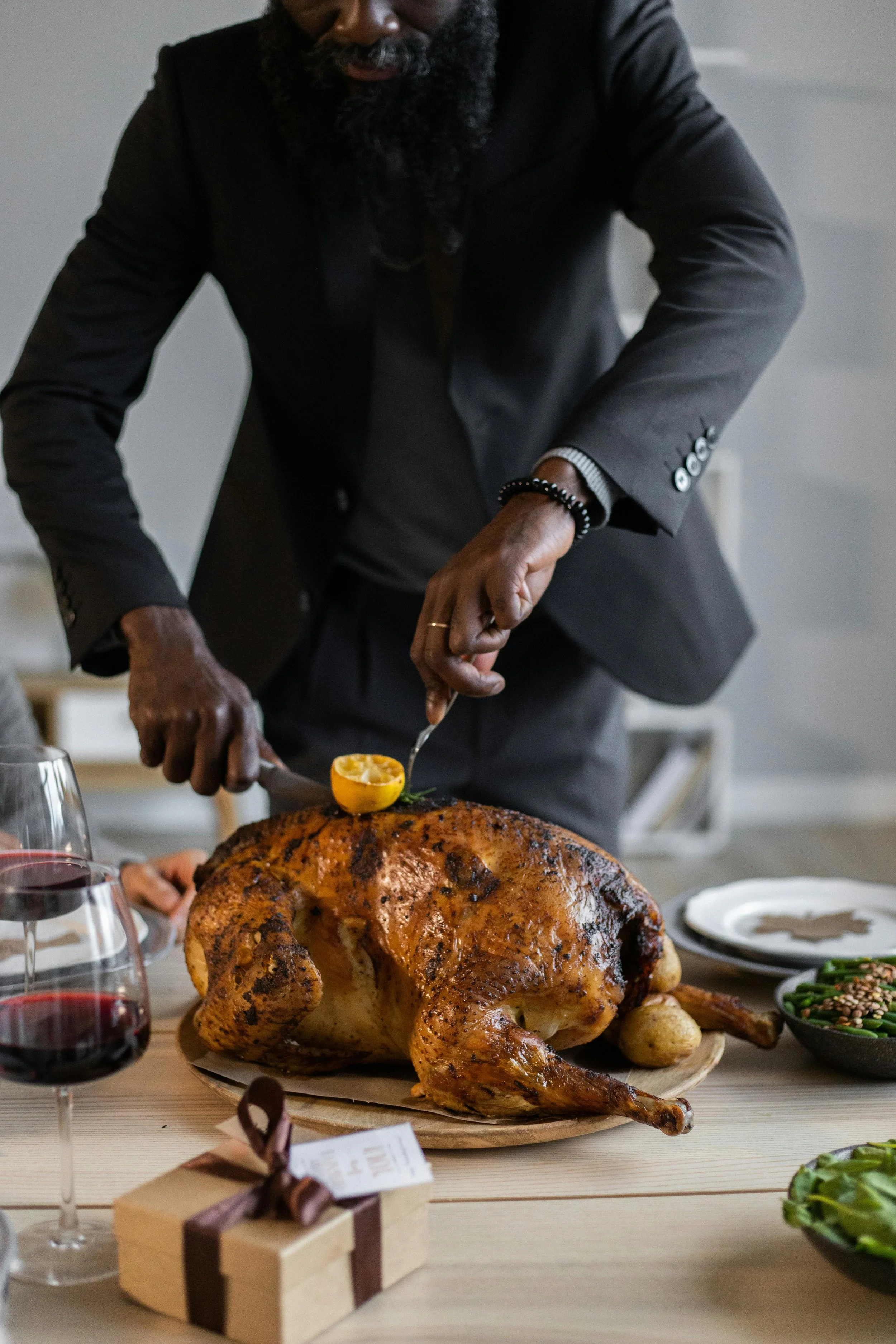
Image Credit: Monstera Production (Pexels)
She and her family have kept these recipes alive by making them often and teaching each new generation not just how to make the dishes but why they matter.
“Every holiday, every gathering, someone brings out Granny’s way of seasoning, her way of layering flavors, or her way of stretching love through food,” she said.
The passionate chef balances honoring tradition with adaptation.
“I honor the spirit of my family’s recipes, but I’m not afraid to elevate them. I keep the foundation exactly how it was passed down. But I adapt techniques, add touches of refinement and sometimes modernize ingredients. I decide what to keep based on what carries emotional meaning. Anything tied to memory and legacy stays untouched,” she explained.
Moving to different places and being immersed in different cultures has also shaped her approach to cooking.
“Moving and experiencing different places expanded my pantry. It allowed me to blend traditional Southern flavors with global ingredients. But no matter where life takes me, the base of my cooking still tastes like home. Fresh herbs, slow-simmered pots and dishes that feed your soul before your stomach.”
Family and cultural values guide her as she reflects on her values.
“In Black families, food is service, hospitality, resilience and love. Those values show up in everything I do, the way I season, the way I plate, the way I take care of my clients. I was raised to cook with love, serve with pride and make sure people leave my table fuller than they came.”
Cooking also closely connects Lovelace to her heritage.
“Every time I chop an herb, knead dough or prepare a dish from my childhood, I feel my Granny with me. Cooking is my reminder that I come from strong Black women who created beauty, comfort and community out of whatever they had. It keeps my heritage alive in my hands,” she elaborated.
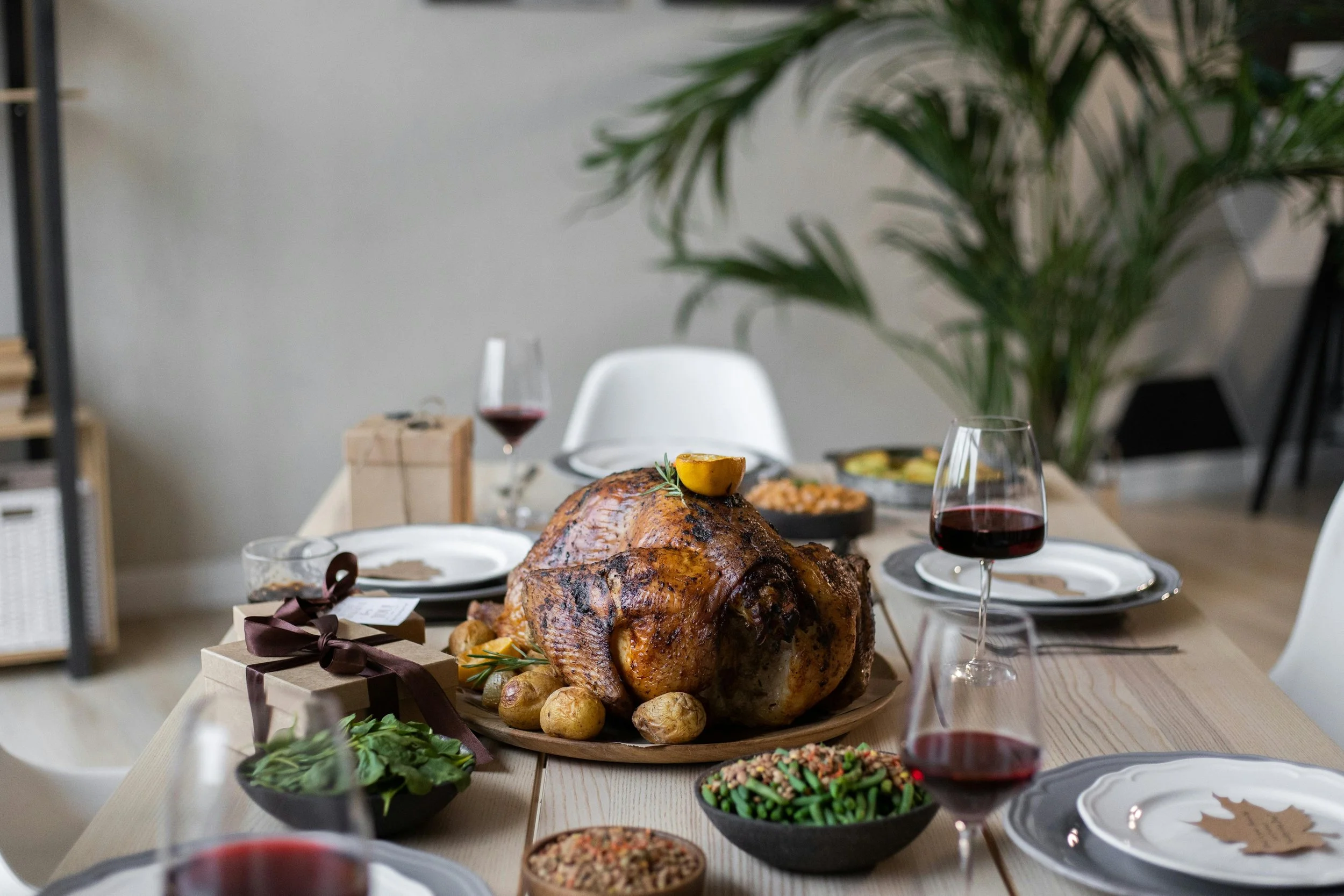
Image Credit: Monstera Production (Pexels)
She also preserves sacred family traditions through instruction and storytelling.
“I want to pass down the tradition of cooking with your heart first. The tradition of gathering around a table where everyone feels welcome. And the tradition of honoring our ancestors through the meals we prepare. These matters because food is one of the clearest ways to preserve who we are.”
Some dishes are kept secret, reserved for special occasions.
“A few special desserts and holiday dishes are closely guarded. They only come out during big celebrations, and they’re prepared with the same care and reverence every single time. Some recipes are for the world, but some are sacred,” she said.
Social media has become a tool for preserving and sharing this heritage.
“I share a lot of my cooking online, and it’s beautiful to see how many people connect with it. Social media has helped me keep my family’s legacy alive while inspiring others to honor their own,” Lovelace shared.
Cidney Wilcox, private chef and culinary artist, traces her love of cooking to family connections and cultural memory.
“Ever since my dad told me his family is from the Bahamas, I have had a special place in my heart for the food and culture. While I still don’t know much about it, my dad introduced conch to me. I first tried it in Miami, and the way that man stacked those on a cart in the street and squeezed fresh juices on it was one of the best things I’ve tasted. I don’t know if that’s because of the underlying closeness I feel towards the culture or because it was damn good and fresh,” she says.
Wilcox sees food as a connection and a form of communication.
“Everyone eats. If you’re in my house, you’re eating. Food is a connection. Food is love. Food is communication. What’s said doesn’t have to be explained; that’s the way it’s been passed down. My base is comfort. My adaptation is elevation and fusion.” Wilcox said.
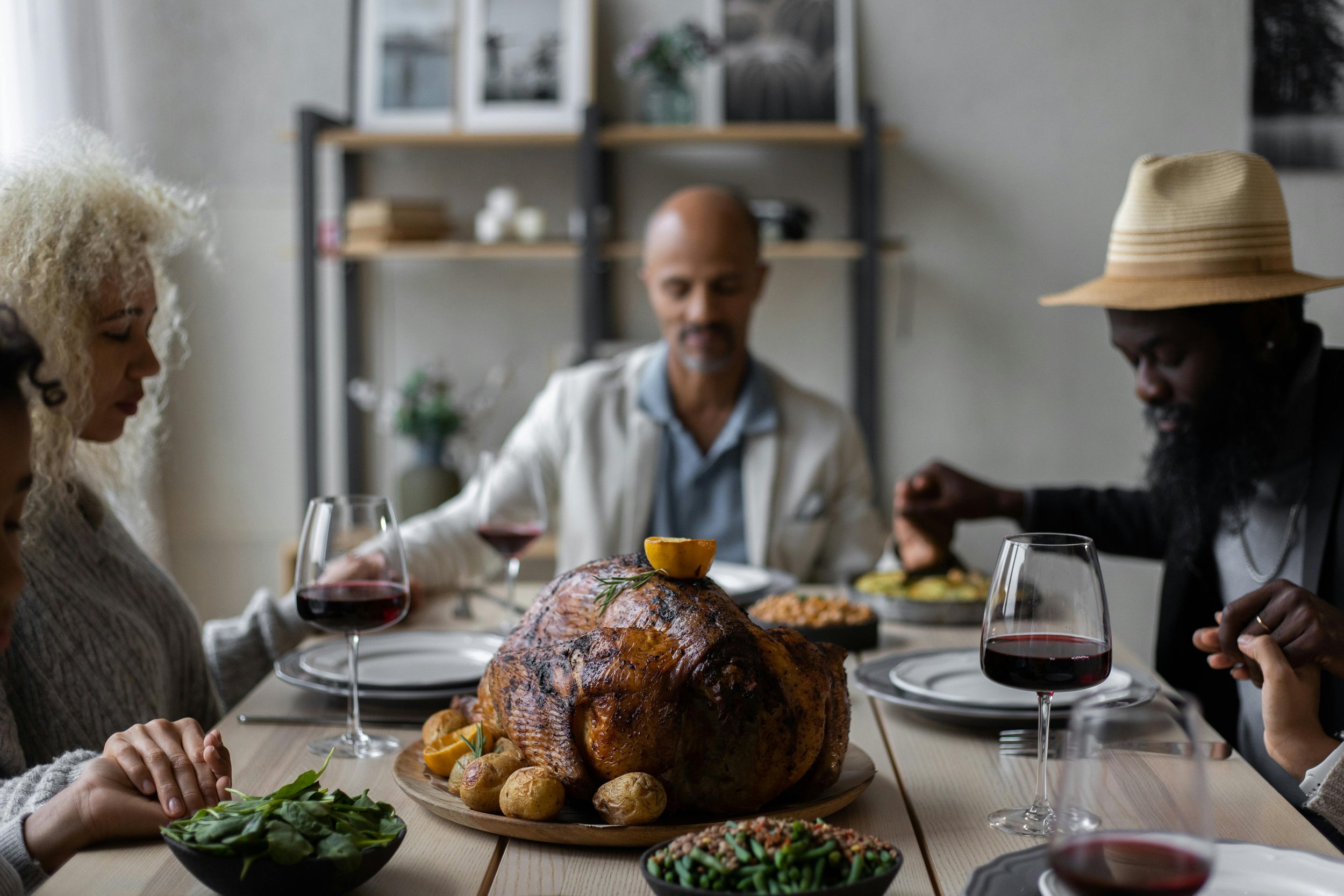
Image Credit: Monstera Production (Pexels)
She reflected on Sunday dinners and recreating those traditions in her life.
“I miss Sunday dinners. I am actively trying to create my chosen families as I roam through chapters of my life and continue that tradition,” she shared.
The vivid smells and sensory memories carried her back to the past as she reflected on the sweet memories that will remain with her forever.
“I can smell something anywhere, and it brings me back to granny’s house and the decorated dining room that only got used for holidays and gatherings,” she added.
Her interest in cooking was sparked by early experimentation.
“Mushroom ‘caviar’ was the first dish I learned how to make that sparked my interest in becoming a chef. My older sister used to try different things during the holidays, and this one holiday, she made this dish that floored everyone,” Wilcox said. “We were used to having the old standbys. Naturally, the baby was jealous that she was getting the attention and wanted to do it too, for the oohs and ahhs. Then my first culinary dopamine hit. It was the exploratory nature of the dish. There’s no ceiling when it comes to cooking, and for me, this was the beginning.”
Wilcox emphasizes preserving the integrity of dishes while allowing for adaptation.
“There are certain things that must be in a dish to make it that dish, while still exploring. For instance, gumbo has to have a dark roux. If not, it’s just soup. You can twist the additives and maybe the spice profile, but to preserve the nature of a dish, the main components of what sets it apart must stay,” she elaborated.
Some dishes must be prepared exactly as instructed.
“Tuna casserole, I need it just how my sister made it, box and cans, no doubt. It makes me feel happy, like I have a past to look forward to, if that makes sense. I love nostalgia.” Wilcox said.
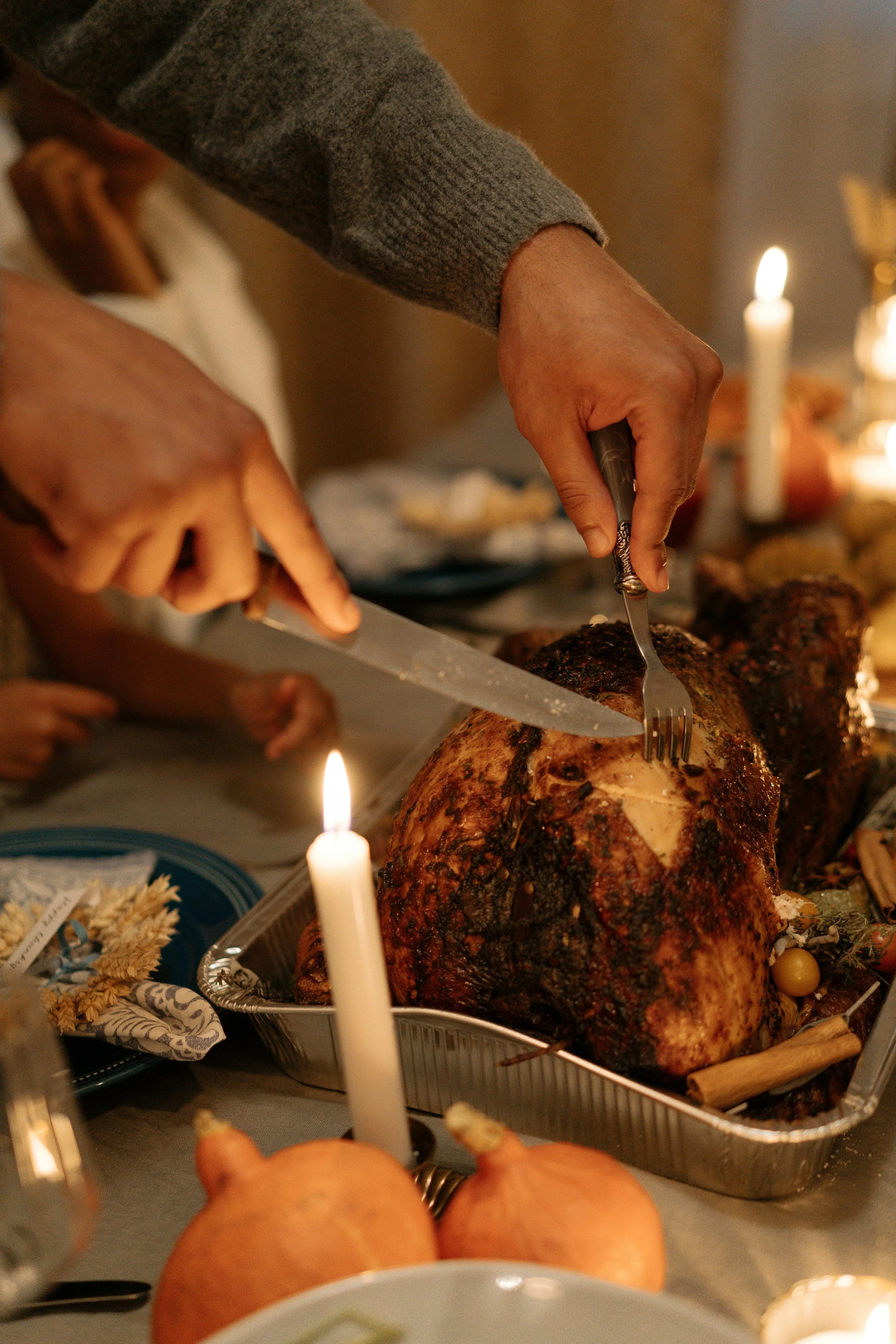
Image Credit: Cottonbro studio (Pexels)
The chef wants people to approach cooking with joy and intention.
“I hope people remember to have fun with their food and lead it with love, in which they show family. Food is the heartbeat of a Black family. Your family weakens when you can’t commune over food. It is our north star. You can always find your way home through food and family. Even if traditions fade, food can connect you back,” she shared.
Taking pride in Black culinary heritage is essential to the chef.
“I love Black people doing their part in preserving our culture through food, I mean, it’s important. You would not have most cuisines in the depth that they are without Black lives and Black traditions in culture. It’s a sense of pride that cannot be taken away. It’s cultivated from the earth to survive. It will never die. And I am forever grateful to our ancestors for their gifts, blood, sweat, tears and teachings,” she said.
For Lovelace and Wilcox and many black families who bond through food, food goes beyond nourishment and survival. It is memory pressed into dough, laughter folded into gravy, heritage simmering on the stove. Every plate carries the hands that prepared it, the stories whispered over it, the ancestors honored through it. In Black families, to cook is to remember, to gather and to preserve. It is a map home, a love letter and a declaration that history lives on in flavor and fire.
