Rabiya Knight Touches on How Brokenness Became Her Superpower
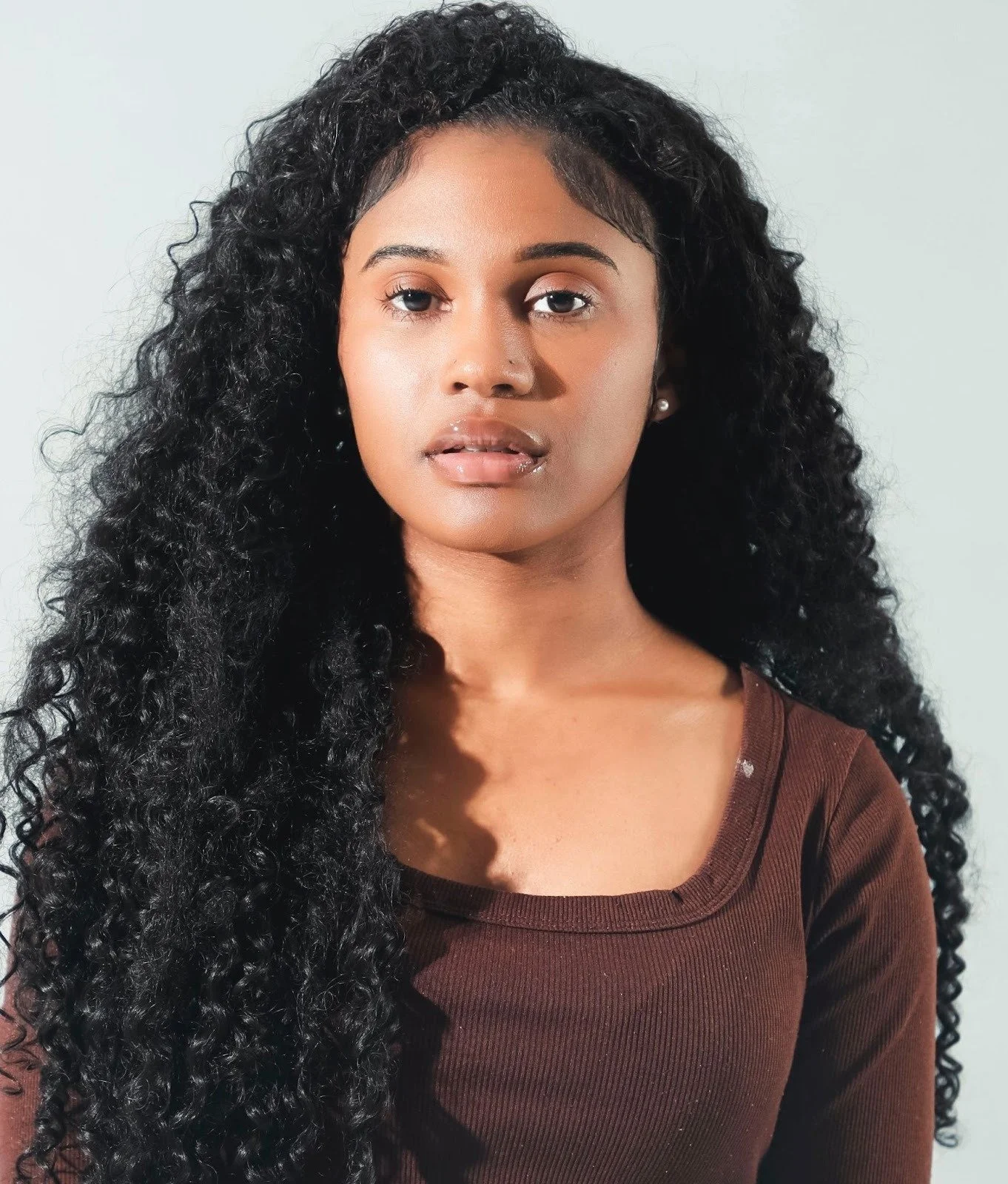
Image Credit: Rabiya Knight
Rabiya Knight's world fell apart when she lost her father a few days before Christmas at the age of 12. Her book Broken to Becoming and her raw, faith-driven message of recovery have inspired thousands of people since she transformed that suffering into a purpose years later.
Knight's work focuses on vulnerability, faith and emotional healing. She is currently a model, speaker, writer, entrepreneur and digital creator. Based in Atlanta, she has established a platform based on honesty rather than perfection. Knight candidly discusses pain, unhealthy coping strategies and the drawn-out, nonlinear path to self-love and purpose through her writing and her most recent podcast, Word on the Street. Her story is one of choosing progress after years of avoidance rather than one of rapid healing, and it encourages others to follow a similar path.
Knight's life was permanently changed on Dec. 21, just days before Christmas. When she was just 12, her father passed away, shattering her feeling of stability and emotionally separating her from the outside world.
“Losing my father at 12, right before Christmas, my world shattered,” Knight said. “I lost my mind. The rest of that year, I was just so shut out from the world.”
For Knight, the holiday season became a reminder of absence, despite the fact that it is typically linked with happiness and community. Because she lacked the knowledge and resources to deal with sadness, she chose to bury it rather than face it. She learned to cope by emotionally shutting down, just like many kids who experience loss at a young age.

Image Credit: Rabiya Knight
She carried that unresolved pain into adolescence and adulthood. Knight looked for escape—anything that might make her feel better, even momentarily—instead of slowing down to recover.
“I was doing everything that made me feel like I was getting better or ignoring the problem,” she said. “Going out, partying and drinking.”
She thought that diversion was therapeutic at the time, but really, it was the postponed pain that she was carrying on her back.
Knight's unresolved suffering showed up in her relationships as she grew older. She ended up in a terrible, long-term relationship that reflected her inner brokenness. Often, what appeared to be love was actually survival—two individuals attempting to bridge emotional distances they were yet unable to comprehend.
“I didn’t know I needed to face myself,” Knight said. “I didn’t know what self-love actually looked like.”
She was emotionally exhausted after the three-year relationship. In the past, Knight acknowledged how her unresolved trauma influenced her choices and limits. She was pouring from an empty cup in the hopes that someone else could mend the wounds she had never dealt with.
Avoidance eventually became too much to bear. Knight eventually ran out of ways to outrun herself.
Knight found that distraction or denial was not the source of true healing. It was the result of silence, introspection and honesty—especially in the face of discomfort.
“Spending time with myself and loving myself, that’s when I started to heal,” Knight said. “I had to learn that healing is not about rushing through it, but allowing yourself to fully feel and process the emotions.”
Think of it as the process of looking in the mirror at your current self while acknowledging your potential. Her book was built on this tension between growth and brokenness. She underlines that healing is not a straight line. Some wounds come back. Some days are heavier than others. However, healing entails learning how to deal with suffering without destroying oneself.

Image Credit: Rabiya Knight
Knight had no intention of becoming an author. Writing Broken to Becoming was an act of obedience rather than a planned career move. During a period of mental and emotional tiredness, she started writing. She wasn't sure why she felt the need to relive the pain she was still dealing with.
As she wrote, she became aware of a pattern in her life progress that followed every time she experienced profound brokenness.
“I realized that every time I went through something traumatic, there was always a becoming on the other side,” she said.
Although written in a few months, the book encompasses years of personal experience. Knight purposefully did not sugarcoat suffering. Rather, she normalized misery, mourning and slow recovery. In order to emphasize that there is no uniform schedule, she even included actual conversations with friends in which she asked how long it took them to heal.
Her message is very clear: hurrying the process would only postpone real healing, and comparing is damaging.
Knight's journey revolves around faith, even though it wasn't always simple. She stopped believing in religion totally and began to doubt God after her father passed away. But as time went on, her connection with faith changed—not into naive optimism, but into trust developed throughout hardship.
She feels that one's purpose must transcend oneself.
“If what you’re doing only serves you, that’s not a purpose,” Knight said. “Purpose is meant to help somebody else.”
That belief inspired her most recent endeavor, Word on the Street, a podcast that aims to make Bible teachings interesting and approachable. Knight felt called back—this time with clarity—after taking a break from her last show, Sorry Not Sorry.
“I want people so intrigued that they go read the Bible for themselves,” Knight said.
Some of Knight's followers began to doubt her sincerity as her content began to focus on faith and personal development. She feared that she would lose the platform she had worked so hard to create if she changed. Nevertheless, she opted for honesty.
“If I lost it, then it wasn’t meant for me,” she said.

Image Credit: Rabiya Knight
Ironically, her growth was driven by accepting who she really was. She talked of God reconstructing her after being broken in an uncut video that was shot in her bathroom, and it led to conferences, speaking engagements and new audiences.
“That one video changed everything,” Knight said.
Knight wears many hats, but these days she walks with purpose rather than haste. She no longer uses comparison or speed to gauge success. Rather, she places a higher value on authenticity, rest and congruence.
She gives a straightforward response when asked how she wants to be remembered.
“A woman who stayed true to herself and wanted to help,” she said.
According to Knight, legacy is about impact rather than visibility. It's not about how much she makes, but rather what she contributes—emotionally, spiritually and mentally.
Rabiya Knight is still developing. However, her experience serves as evidence that even the most profound pain can be turned into a purpose and that, when confronted honestly, healing can become a lifeline for others.
To purchase Broken to Becoming, you can click the link here.
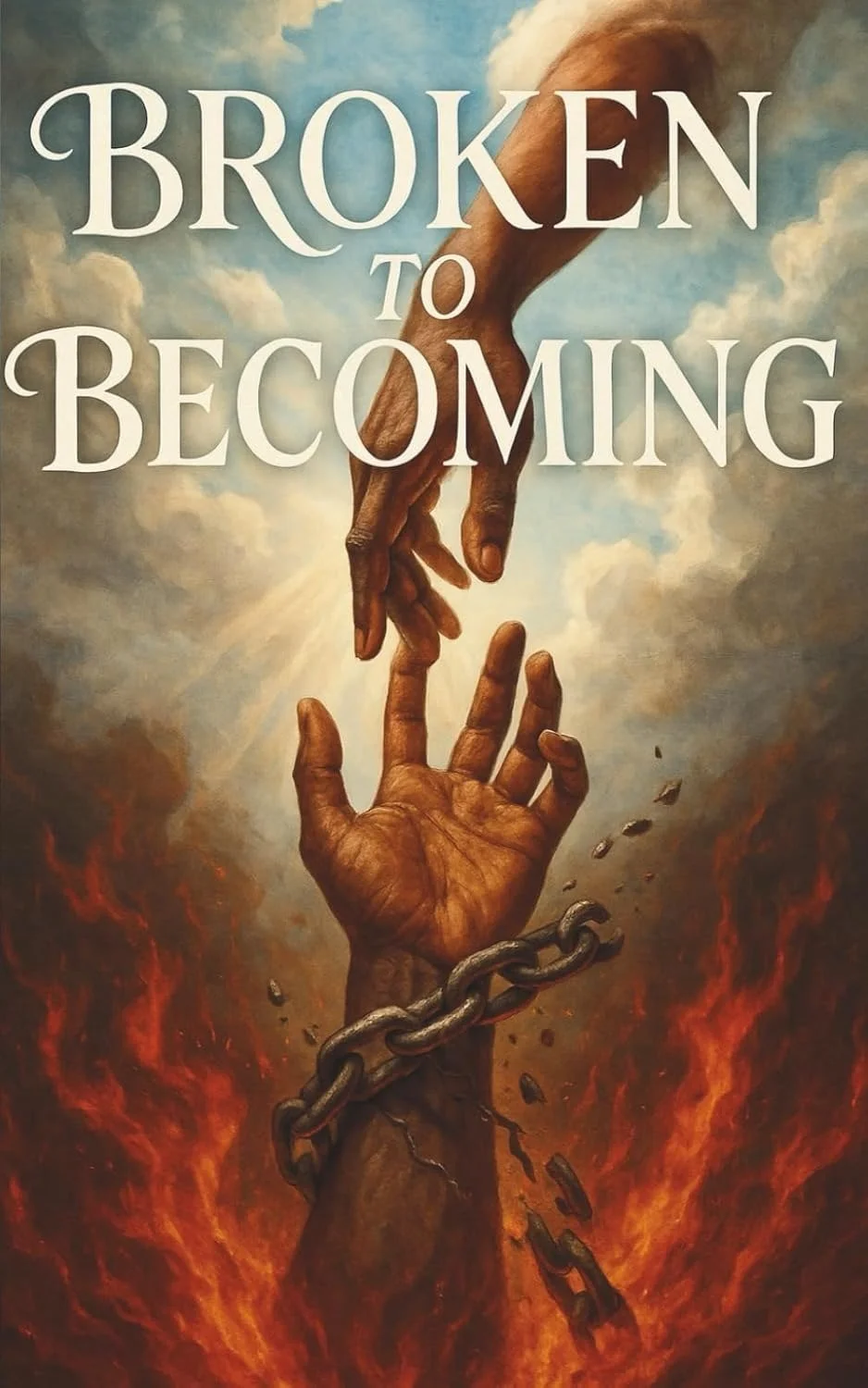
Image Credit: Rabiya Knight